Filter Products

Controllers, Monitors & Timers

Take command of your cultivation environment with precision and ease. Hydrofarm offers a robust selection of controllers, monitors, and timers designed to automate critical functions in hydroponic, greenhouse, and indoor commercial operations. From managing complex lighting schedules to regulating CO2 levels and irrigation cycles, our atmospheric automation solutions ensure your crops receive consistent care, even when you aren't on-site.

Controllers, Monitors & Timers Resources

Precision Control for Every Grow Environment

Maintaining the ideal environment is the difference between a good harvest and a great one. Hydrofarm’s extensive range of atmospheric automation tools empowers growers to fine-tune every aspect of their operation. Whether you need simple analog timers for basic setups or advanced, multi-zone digital controllers for large-scale commercial facilities, we provide the technology to maximize efficiency and yield.

Why is CO2 Monitoring Important for Indoor Growing?

CO2 is essential for photosynthesis. In enclosed growing spaces, plants can quickly deplete available CO2, slowing growth. Using a CO2 monitor and controller allows you to maintain optimal levels (typically between 1000–1500 ppm for enriched environments), which can significantly accelerate plant development and increase overall biomass.

What is the Difference Between Analog and Digital Lighting Controllers?

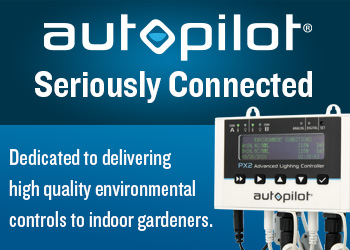
Analog controllers typically use mechanical dials and are well-suited for simple on/off scheduling. Digital controllers offer more advanced features, such as high-temperature shutdown, hot-start protection, and precise dimming capabilities. For commercial operations managing many lights, digital controllers like the Autopilot PX2 provide superior protection and flexibility.

Can One Controller Manage Multiple Grow Zones?

Yes, many advanced controllers are designed for multi-zone management. For example, the TrolMaster Aqua-X Pro and Autopilot PX2 allow you to independently control and monitor different areas. This is crucial for facilities with rooms at different growth stages (e.g., vegetative vs. flowering) that require different lighting or irrigation schedules.

How Do Environmental Controllers Help With Pest and Disease Management?

Pests and diseases often thrive in specific environmental conditions, such as high humidity or fluctuating temperatures. By using controllers to maintain stable temperature and humidity levels, you create an environment less hospitable to pathogens like powdery mildew and pests like spider mites, serving as a proactive line of defense for your crop.